Xander Hartmann · 25 October 2026
Festivals and Traditions on Historic Paths Drive Novel Funding Strategies for Global Trail Preservation
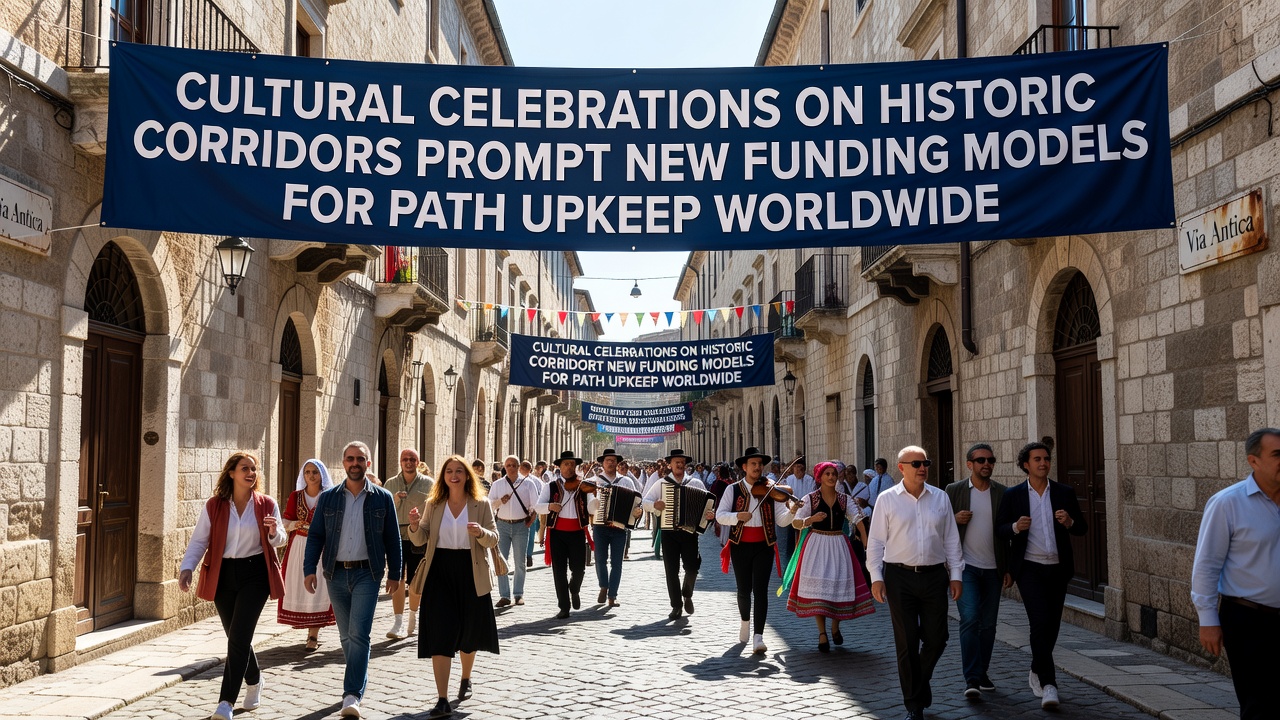
Historic corridors across multiple continents host annual cultural celebrations that draw increasing numbers of visitors each year, and these events now connect directly to emerging funding mechanisms designed to support path maintenance and infrastructure upgrades. Data from heritage organizations show participation in such festivals rose steadily between 2022 and 2025, creating measurable economic activity that local authorities channel into preservation accounts.
Global Patterns in Celebration-Driven Revenue
Researchers tracking trail usage in North America, Europe, and Asia-Pacific regions report that events tied to indigenous traditions and historic trade routes generate consistent visitor spikes, which in turn support ticket-based contributions, merchandise sales, and corporate sponsorship agreements. According to records compiled by the International Council on Monuments and Sites, several corridors in Canada and Australia adopted hybrid models in 2024 that allocate a fixed percentage of festival proceeds to dedicated upkeep funds administered jointly by community groups and regional governments.
These arrangements differ from earlier grant-dependent systems because they rely on recurring local revenue rather than one-time allocations. Figures released by the Australian Department of Climate Change, Energy, the Environment and Water indicate that two corridors in the Northern Territory saw maintenance budgets increase by 18 percent after festival-linked programs launched in late 2023.
Case Examples from Distinct Regions
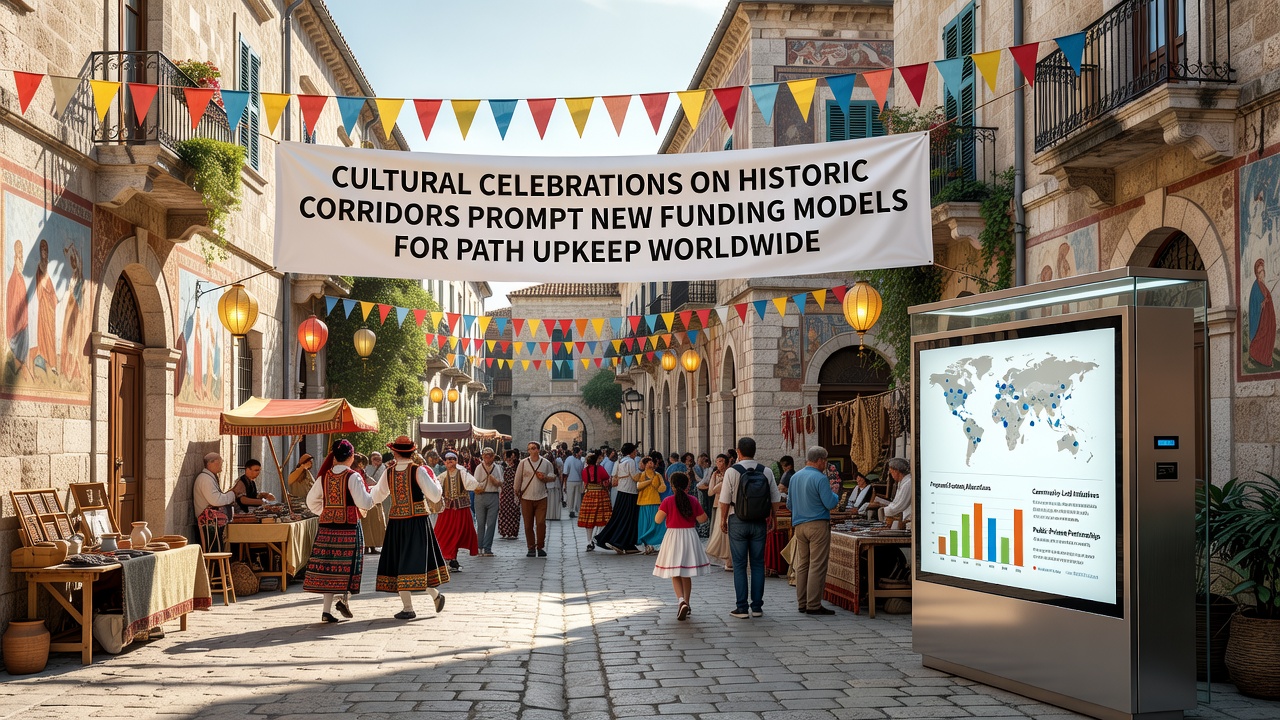
One corridor in the southwestern United States incorporated cultural storytelling events into its annual schedule, resulting in partnerships with regional tourism boards that now direct a portion of lodging taxes toward erosion control and signage replacement. European examples include routes in Italy and Spain where medieval processions coincide with ticketed access days, and proceeds flow into a restoration trust managed by municipal authorities in coordination with the European Heritage Alliance.
Observers note that similar initiatives in South Africa and Japan combine harvest festivals with guided walks, creating revenue streams that cover both immediate repairs and long-term monitoring equipment. Data collected through these programs show reduced reliance on central government budgets and faster response times for weather-related damage.
October 2026 Developments and Policy Shifts
Planning documents circulated ahead of October 2026 indicate that multiple national agencies will pilot blockchain-based donation platforms during major cultural gatherings, allowing direct contributions from international attendees to specific trail segments. The Canadian Heritage Ministry and the New Zealand Department of Conservation have both signaled interest in testing these systems on routes that already host established festivals, with initial results expected by early 2027.
Industry reports from the World Trails Network highlight that corridors adopting such models also integrate wildlife monitoring sensors funded through the same revenue pools, producing datasets that support conservation grants from separate sources. This layered approach creates overlapping income streams without increasing visitor fees beyond current levels.
Challenges in Scaling the Models
While revenue growth appears consistent, administrators report difficulties in balancing event logistics with conservation priorities, particularly on corridors where seasonal weather restricts access. Coordination between cultural organizers and maintenance crews requires shared calendars and transparent accounting, elements that several pilot programs now formalize through memoranda of understanding.
Training programs run by university extension services in the United States and the United Kingdom focus on equipping local committees with basic financial tracking tools, reducing the administrative burden that previously delayed fund disbursement. These efforts draw on case studies from corridors already operating under celebration-linked financing.
Conclusion
Historic corridors continue to serve as venues for cultural expression while simultaneously generating resources for their own upkeep through structured funding mechanisms tied to festivals and visitor engagement. Records from multiple continents demonstrate that these approaches produce measurable increases in available maintenance budgets and support both physical repairs and supplementary monitoring activities. Continued documentation of outcomes through 2026 and beyond will clarify which elements of the models transfer most effectively across geographic and cultural contexts.